
Ankle Intel: ABI Testing That Maps Local Circulation Strength
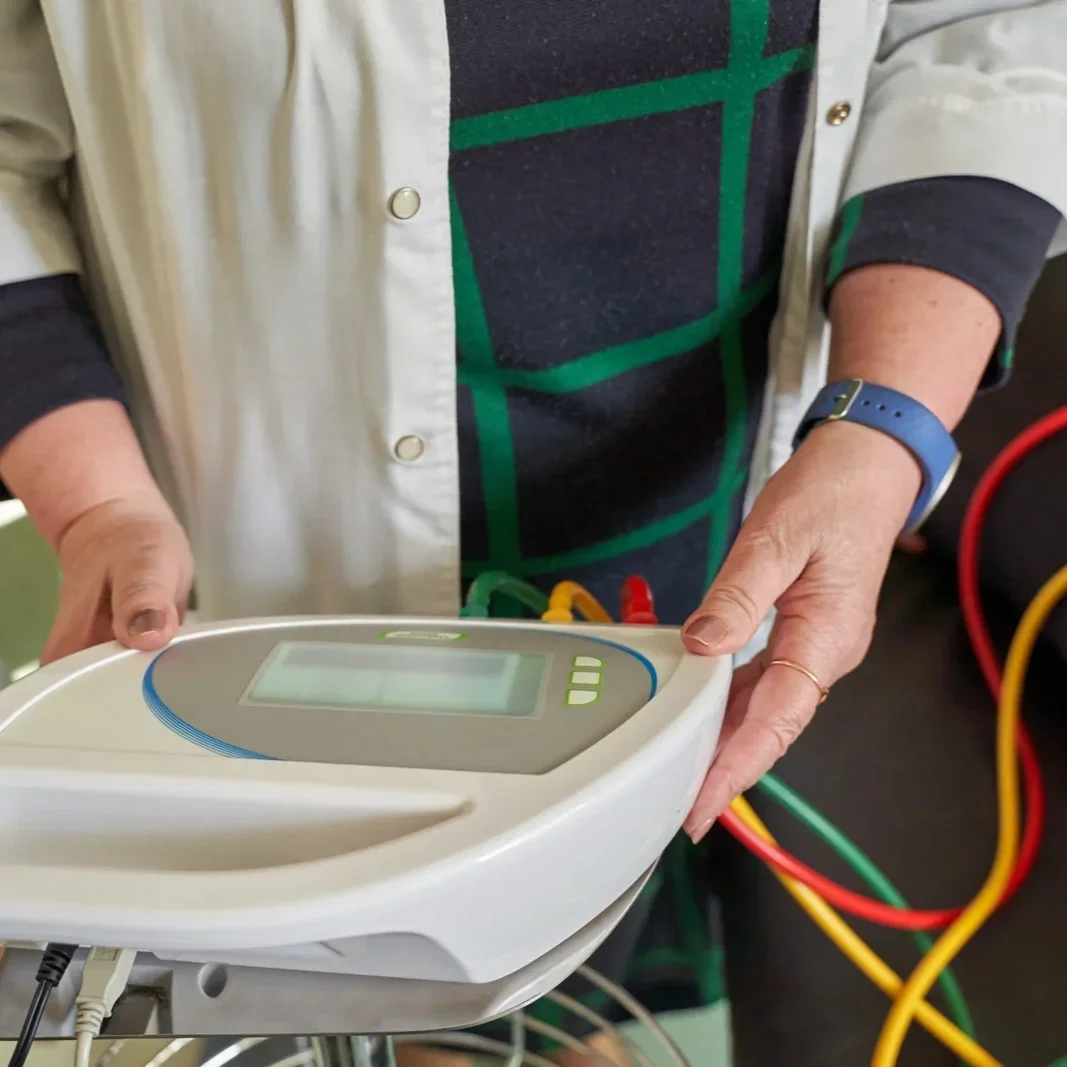
ABI testing becomes the moment that connects those familiar experiences to the vascular system.
Healthy circulation is one of the quiet heroes of daily life. Blood moves through arteries and delivers the oxygen and nutrients that keep muscles working, nerves communicating, and every organ performing its role. When circulation weakens, the body offers clues, although those clues often hide behind common frustrations like tired legs, cold feet, or a slow walking pace.
Ankle-Brachial Index testing clarifies those signals. ABI testing measures how well blood travels from the heart to the lower legs, helping clinicians detect early signs of peripheral artery disease. People gain a deeper understanding of their vascular health, and communities benefit from accessible testing that guides early action and long-term wellness.
Many patients arrive for ABI testing after years of adjusting their habits without realizing that circulation might be the underlying cause. They may walk shorter distances, avoid standing for long periods, or rely on warm socks year-round. ABI testing becomes the moment that connects those familiar experiences to the vascular system. It offers a quick, comfortable, and non-invasive way to assess lower extremity circulation strength. Local access makes it easier for residents to prioritize their vascular health and stay ahead of conditions that affect mobility, comfort, and long-term quality of life.
Understanding How ABI Supports Vascular Clarity
Ankle-Brachial Index testing compares blood pressure in the arms with blood pressure in the ankles. That ratio highlights how well blood flows through the arteries that supply the legs. A healthy ratio suggests strong circulation, while a lower ratio may indicate narrowing or arterial blockage. ABI testing provides a clear starting point for evaluating vascular health.
Clinicians use ABI measurements to identify early signs of peripheral artery disease, a condition that reduces blood flow to the limbs. Early identification allows people to make informed choices about lifestyle changes, medical treatment, or further diagnostic imaging. ABI testing empowers patients with information that often explains leg discomfort, slow wound healing, or mobility changes that previously felt confusing.
A Fast And Comfortable Testing Experience
ABI testing takes very little time and involves no discomfort. Patients lie comfortably while blood pressure cuffs are placed on the arms and ankles. A handheld Doppler device listens to the pulse at each location, enabling the clinician to compare pressures and calculate the ABI.
The process feels familiar to anyone who has had a standard blood pressure reading. Many patients leave surprised by how quick the test feels. The ease of ABI testing makes it an excellent first step for anyone who wants clarity about circulation without committing to a long or complex evaluation.
How ABI Helps Predict Circulatory Challenges
ABI testing provides clinicians with a reliable tool for predicting circulatory changes before symptoms progress to more serious complications. When an ABI ratio drops, it signals that blood may be having a harder time reaching the lower legs. That challenge may manifest as muscle cramping during walks, slow-healing wounds, or persistent coldness in the feet. ABI testing connects those experiences to arterial function.
Recognizing circulation issues early gives patients time to protect long-term mobility and comfort. When clinicians can identify potential arterial narrowing early, they can guide patients toward strategies that support better vascular health. ABI testing becomes a foundation for smarter care decisions that strengthen community wellness.
Connecting ABI Results To Everyday Life
ABI results often explain common experiences that patients have learned to tolerate. A low ABI reading may clarify why walks feel shorter or why legs feel heavy during errands. People appreciate finally having a measurable explanation behind those daily challenges.
Clinicians use ABI results to recommend personalized care that fits seamlessly into everyday routines. Small adjustments in activity levels, nutrition, or medical management can improve circulation. ABI testing gives people the information they need to make those changes confidently.
Why ABI Plays A Key Role In Community Health
Communities grow stronger when residents have easy access to diagnostic tools that support early intervention. ABI testing helps identify vascular issues before they progress, reducing the likelihood of emergency care or invasive treatment. When circulation issues are identified early, they can often be managed with non-invasive strategies that preserve long-term mobility.
Local imaging centers make ABI testing accessible without long travel times or large hospital settings. That convenience encourages residents to take action sooner rather than later. Community wellness improves when early detection becomes standard in local care.
Identifying Symptoms That Point To ABI Testing
People may benefit from ABI testing when they experience cold feet, leg fatigue, or cramping during walks. Some patients notice wounds on the lower legs or feet that take longer than expected to heal. Others describe a pins-and-needles sensation or numbness that interrupts their comfort. These symptoms may indicate reduced circulation, making ABI testing a logical next step.
ABI testing offers a clear explanation for those symptoms, helping patients understand what is happening inside their arteries. Clinicians gain a strong foundation for diagnosis and treatment planning, and patients gain peace of mind knowing they are taking active steps toward better vascular health.
Supporting Cardiac And Vascular Wellness
Circulation does not operate in isolation. The heart and arteries work together to keep the body functioning smoothly. ABI testing helps clinicians evaluate whether the heart’s efforts are reaching the lower legs effectively. When circulation struggles in one area, it may indicate challenges in other areas as well.
Clinicians may use ABI results to decide whether additional cardiac testing is needed. ABI measurements help build a complete picture of a patient’s vascular health, allowing providers to consider how the entire system functions together. Patients appreciate having a simple test that contributes to a broad understanding of their overall cardiovascular wellness.
Personalized Care Shaped By ABI Findings
ABI testing provides a numerical value that clinicians use to guide personalized care. Higher values suggest healthy circulation, while lower values may prompt additional testing or targeted intervention. Patients benefit from care informed by measurable data rather than guesswork.
Personalized recommendations may include vascular imaging, follow-up exams, or lifestyle adjustments that support better arterial health. ABI testing provides patients with clarity and helps them understand the rationale behind each suggestion. That clarity builds trust and encourages long-term engagement in vascular care.
The Importance Of Monitoring Over Time
Circulation can change over months or years. ABI testing helps track these changes and identify when additional support may be needed. Patients with borderline values may require periodic testing to monitor circulation and detect trends early.
Regular monitoring helps clinicians adjust care plans before symptoms worsen. People value the reassurance that small changes will not go unnoticed. Local ABI testing services make long-term monitoring convenient and accessible, encouraging patients to stay engaged in their vascular wellness journey.
Reducing Barriers To Vascular Care
Many people delay vascular evaluation because they assume testing will be uncomfortable or time-consuming. ABI testing breaks down those barriers by offering a fast, simple experience that fits easily into a busy schedule. Local access to ABI testing removes travel-related obstacles and makes vascular care feel realistic for more residents.
When people feel comfortable pursuing vascular evaluation, communities benefit from earlier detection and improved long-term outcomes. ABI testing becomes a tool that strengthens local wellness by making care more accessible to everyone.
Helping Patients Understand Their Results
ABI testing gives patients a numerical value that can feel unfamiliar at first. Clinicians take the time to explain what each result means and how it relates to circulation. A low number may indicate narrowing arteries, while a normal number provides reassurance that circulation remains strong.
Patients appreciate having a clear, straightforward explanation of their results. ABI testing transforms vague concerns into measurable data that support collaborative decision-making between patients and clinicians. Confidence grows when patients understand exactly what their numbers represent.
How ABI Testing Supports Preventive Care
Preventive care plays a major role in long-term wellness, and ABI testing fits naturally into that approach. Detecting circulatory issues early allows patients to adopt healthier habits, follow medical recommendations, and protect their mobility. ABI testing helps identify risk factors that might otherwise go unnoticed.
Communities benefit when residents prioritize preventive care. ABI testing supports that effort by providing a non-invasive, widely accessible tool that enables early detection and smoother long-term health management.
Comfort As A Core Part Of ABI Testing
Patients often feel pleasantly surprised by how easy ABI testing feels. Comfort plays an important role in producing accurate readings, as relaxed muscles and steady breathing help clinicians capture precise measurements. A calm environment supports better results and a more positive experience.
Imaging centers that prioritize comfort make vascular testing less intimidating. When appointments feel approachable, patients are more likely to return for follow-up evaluations and long-term monitoring. That consistency supports healthier outcomes throughout the community.
Understanding How ABI Fits Into Vascular Imaging
ABI testing often serves as a gateway to more detailed vascular imaging. If ABI values point toward reduced circulation, clinicians may recommend duplex ultrasound or other imaging to evaluate blood flow in greater detail. ABI testing helps clinicians decide when additional imaging is beneficial.
Patients appreciate the step-by-step approach. ABI testing offers an overview, and follow-up imaging fills in the details. The combination supports clear diagnosis and accurate treatment planning, giving patients confidence in their path forward.
Supporting Mobility And Independence
Mobility plays a major role in quality of life. Reduced circulation can make walking uncomfortable and, over time, affect independence. ABI testing gives clinicians the information needed to help patients maintain strong mobility for as long as possible.
Detailed ABI results guide recommendations tailored to each patient’s needs. Strong circulation supports daily activities, whether that means walking the dog, working on a favorite hobby, or moving comfortably through the neighborhood. ABI testing helps protect the independence that residents value.
ABI Testing FAQs You Should Read Before Delaying Care
What symptoms usually lead to ABI testing?
People often seek ABI testing for leg pain during walking, cold feet, slow-healing wounds, or numbness in the lower legs.
Is ABI testing painful?
ABI testing feels similar to having blood pressure taken and involves no discomfort.
How long does an ABI test take?
Most ABI appointments take ten to twenty minutes.
Can ABI testing diagnose peripheral artery disease?
ABI testing identifies circulation patterns that may indicate PAD and helps clinicians decide whether further imaging is needed.
How often should ABI testing be repeated?
Frequency depends on symptoms and previous results. Clinicians recommend follow-up intervals based on individual needs.
Cardiovascular Specialty Imaging helps get accurate diagnoses by providing high-quality thyroid ultrasound, gallbladder ultrasound, cerebrovascular evaluations, abdominal aorta evaluations (AAA), Ankle/Brachial Indices (ABI), and soft tissue services in Northwest Florida. We provide unparalleled customer service. Call us now!