
How Mobile Imaging Services Make Diagnostic Testing More Accessible
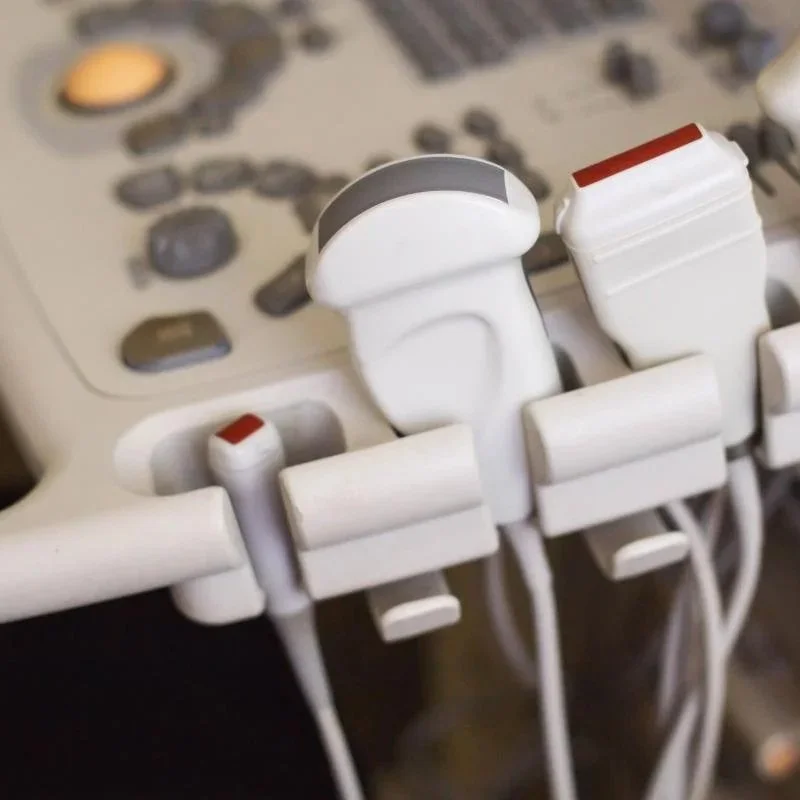
Whether it’s an ultrasound, X-ray, or other diagnostic test, mobile imaging provides high-quality results while offering flexibility that traditional healthcare settings often lack.
Mobile imaging services are transforming the way diagnostic testing is delivered, bringing advanced technology directly to patients in their doctor’s office, medical facility, or even at home. By eliminating the need for hospital visits and long wait times, these services are making healthcare more convenient, efficient, and accessible for everyone. Whether it’s an ultrasound, X-ray, or other diagnostic test, mobile imaging provides high-quality results while offering flexibility that traditional healthcare settings often lack.
Bringing Advanced Technology To The Patient
Mobile imaging services utilize state-of-the-art equipment to perform diagnostic tests outside of traditional hospital settings. These services bring portable ultrasound machines, X-ray systems, and other imaging tools directly to where the patient is located, whether in a primary care office, specialty clinic, nursing home, or even a patient’s residence.
By bringing technology to the patient, mobile imaging reduces the need for transportation and minimizes disruptions to a patient’s routine. This path is particularly beneficial for individuals with mobility challenges, chronic conditions, or those living in remote areas where access to imaging facilities may be limited.
Enhancing Convenience And Comfort
One of the biggest advantages of mobile imaging services is the convenience they offer. Patients no longer have to travel to hospitals or imaging centers, deal with parking hassles, or wait in crowded waiting rooms. Instead, diagnostic tests are performed in familiar, comfortable settings, such as the patient’s doctor’s office or medical facility.
This level of comfort can reduce anxiety and improve the patient experience, especially for those who may find hospital environments overwhelming. For healthcare providers, mobile imaging services streamline the diagnostic process, allowing for quicker results and more efficient patient management.
Reducing Wait Times And Speeding Up Diagnosis
Traditional diagnostic testing often involves scheduling appointments weeks in advance and waiting days—or even longer—for results. Mobile imaging services help address this issue by offering on-site imaging with faster turnaround times. Results are often available within hours or days, allowing healthcare providers to make punctual decisions about treatment plans.
Quicker diagnosis means that patients receive the care they need sooner, which can lead to better health outcomes and reduced complications. For time-sensitive conditions, such as infections, vascular issues, or potential tumors, the speed of mobile imaging services can make a significant difference.
Supporting Continuity Of Care
Mobile imaging services support continuity of care by allowing diagnostic tests to be integrated seamlessly into the patient’s existing healthcare routine. Tests can be scheduled during regular doctor’s appointments or routine check-ups, reducing the need for separate visits and improving coordination between healthcare providers.
By keeping diagnostic testing within the same medical facility or doctor’s office, communication between healthcare providers is enhanced. This integration helps avoid miscommunication, lost test results, and delays in care, contributing to a smoother, more cohesive healthcare experience for the patient.
Improving Access In Rural And Underserved Areas
Access to diagnostic imaging can be a significant challenge in rural and underserved communities. Hospitals and imaging centers may be located far from where patients live, creating barriers to timely care. Mobile imaging services address this gap by bringing diagnostic capabilities directly to these communities, improving access to essential healthcare services.
For patients living in remote areas, mobile imaging eliminates the need for long, expensive trips to urban hospitals. It also provides healthcare providers in these areas with the tools they need to provide comprehensive care, reducing the need to refer patients to distant facilities.
Safe, Non-Invasive, And High-Quality Imaging
Mobile imaging services provide the same high-quality diagnostic results as traditional imaging centers. The equipment used in mobile imaging is state-of-the-art, offering clear, accurate images for a wide range of diagnostic needs, from ultrasounds and X-rays to advanced vascular assessments.
Most mobile imaging procedures, such as ultrasounds, are non-invasive and do not involve exposure to ionizing radiation. This makes them safe for frequent monitoring and suitable for a vast range of patients, including pregnant women, children, and individuals with chronic health conditions.
Cost-Effective Diagnostic Solutions
Mobile imaging services offer a cost-effective alternative to traditional diagnostic testing. By reducing the need for hospital infrastructure and overhead, mobile imaging providers can offer competitive pricing while maintaining high standards of care.
For healthcare systems, the cost savings associated with mobile imaging services support more frequent monitoring and comprehensive diagnostic assessments without placing a financial burden on patients or facilities. This affordability makes mobile imaging an attractive option for both patients and healthcare providers.
Final Thoughts On Mobile Imaging Services
Mobile imaging services are revolutionizing the way diagnostic testing is delivered, making healthcare more accessible, convenient, and efficient. By bringing advanced imaging technology directly to the patient’s doctor’s office, medical facility, or home, these services eliminate barriers to care and improve the overall patient experience.
The convenience of diagnostic mobile ultrasound services, combined with faster results, cost savings, and high-quality imaging, contributes to better health outcomes and a more streamlined healthcare process. Whether for routine monitoring or urgent diagnostic needs, mobile imaging services are helping to transform healthcare delivery and make quality care available to all.
Save time and get a quick and accurate diagnosis with on-site ultrasound solutions from Cardiovascular Specialty Imaging. Serving Northwest Florida, we offer thyroid ultrasound, gallbladder ultrasound, cerebrovascular evaluations, abdominal aorta evaluations (AAA), Ankle/Brachial Indices (ABI), and soft tissue services. We ensure better patient communication and provide the latest available technology. Call today to book a service appointment.