
Under the Surface: Soft Tissue Clarity for Stronger Clinical Insight
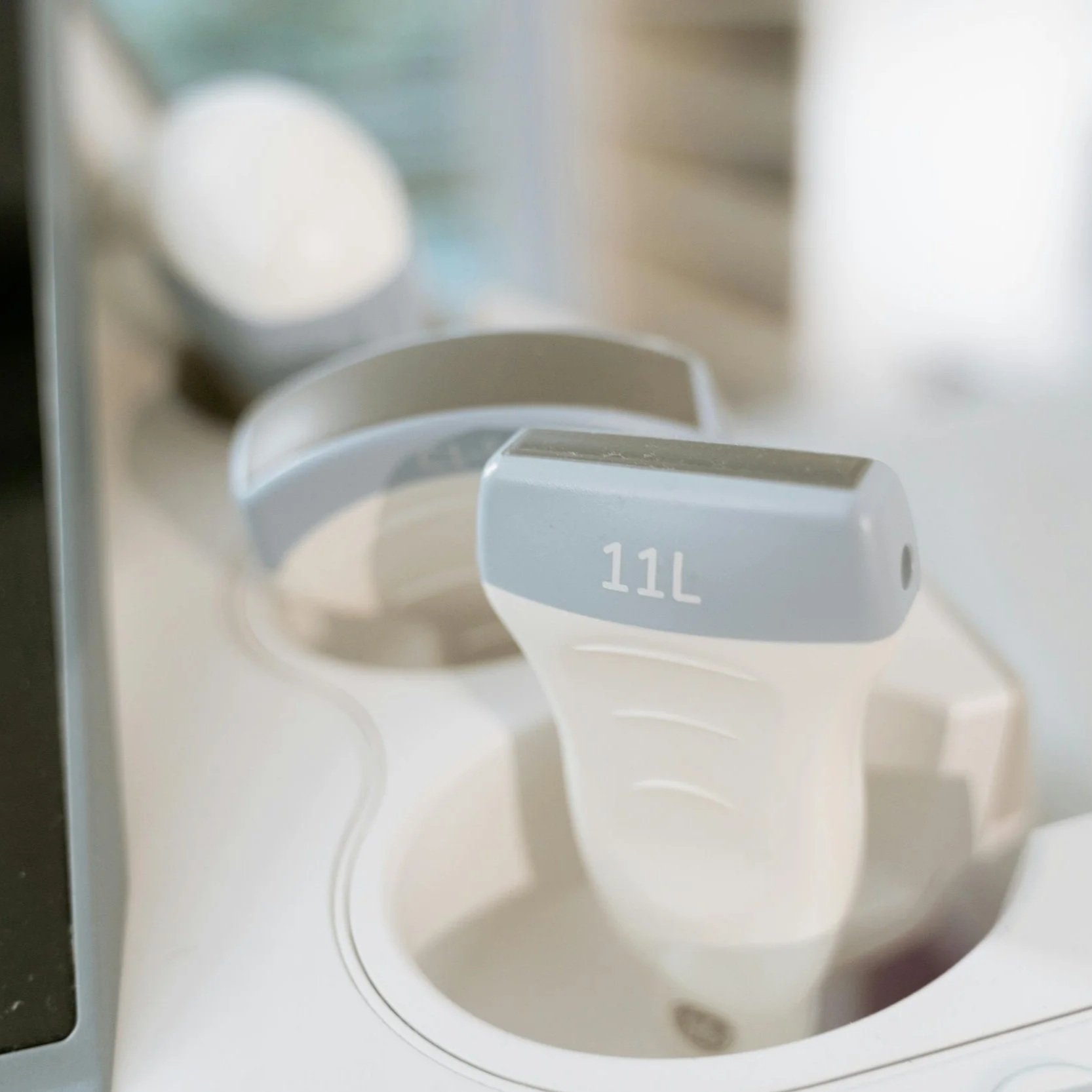
The scan is painless, fast, and radiation-free, which makes it a preferred choice for patients of all ages and activity levels.
Soft tissue discomfort often begins quietly, with small clues that something beneath the surface needs attention. Patients may notice subtle stiffness, a nagging ache, or a mysterious lump that appears overnight. Those early signs rarely provide enough information to confidently guide clinical decisions. Soft-tissue ultrasound changes dynamically, revealing the structures that support movement, stability, and daily comfort. Muscles, ligaments, tendons, and connective tissue layers are clearly visualized through high-quality imaging, giving clinicians the insight needed to accurately diagnose conditions and recommend appropriate care. The technology brings clarity to areas that once felt confusing, making it easier for patients and clinicians to move forward with well-informed steps.
Communities benefit greatly when soft tissue evaluation becomes accessible and understandable. People often delay treatment because they worry about diagnostic complexity or fear the unknown. When they undergo a soft-tissue ultrasound, the process feels surprisingly simple and reassuring. The scan is painless, fast, and radiation-free, which makes it a preferred choice for patients of all ages and activity levels. Families, athletes, working professionals, and older adults all gain valuable insights when soft tissue structures are carefully evaluated. With more clarity comes more confidence, and that shift supports healthier communities overall.
How Soft Tissue Ultrasound Captures The Details That Matter
Soft tissue imaging relies on advanced ultrasound technology to produce real-time images of underlying structures. A trained sonographer applies warm gel to the skin and glides a transducer across the area of concern. The device emits sound waves into the body, and the echoes are displayed as images on the monitor. Patients remain comfortable throughout the process as the scan provides clear views of tissue layers that cannot be seen through physical examination alone.
The dynamic nature of ultrasound gives clinicians a significant advantage. Soft tissues move, stretch, and contract as the body functions, and ultrasound reveals their behavior in real time. When a patient bends a knee, lifts an arm, or rotates a joint, technicians can observe how the tissues respond. Those details help distinguish between injury types, track inflammation patterns, and identify structural abnormalities. The ability to observe motion under the skin transforms the diagnostic experience and enhances clinical accuracy.
Why Soft Tissue Health Affects More Than Movement
Soft tissue structures support nearly every physical function, even activities that seem unrelated to mobility. When a muscle becomes irritated or a tendon inflames, surrounding structures must compensate. That compensation often creates new challenges, such as altered posture, uneven weight distribution, or unnecessary strain on joints. People may feel symptoms in one area even though the source lives elsewhere. Soft-tissue ultrasound uncovers hidden relationships, giving clinicians a clearer understanding of how one problem affects the entire body.
Daily routines often highlight soft tissue discomfort. Carrying groceries can aggravate a shoulder injury. Sitting through a workday can intensify back or hip tension. Even simple movements like reaching into a cabinet can highlight deeper tissue concerns. Soft tissue imaging guides clinicians as they interpret these patterns and develop treatment plans that address the root cause rather than the surface symptom.
Symptoms That Suggest Soft Tissue Imaging Might Be Needed
Soft tissue issues often start subtly, with sensations that feel more annoying than alarming. Patients may notice recurring soreness after minimal activity or swelling that appears without an obvious trigger. A mild tugging sensation or sharp discomfort during a specific movement can reflect deeper tissue irritation that needs evaluation. When those symptoms linger or interfere with daily function, soft tissue ultrasound becomes an essential next step.
Visible changes may also motivate patients to seek imaging. A small lump beneath the skin, an unexplained bulge, or a tender spot that reacts intensely to touch can indicate cysts, masses, or structural abnormalities. Soft tissue ultrasound helps clarify the nature of those findings quickly. Instead of guessing or worrying, patients receive direct answers from imaging that support early intervention and informed clinical guidance.
How Soft Tissue Imaging Helps Identify Injuries
Soft tissue injuries vary widely in severity and presentation. A muscle tear may occur suddenly, while a ligament sprain may develop gradually through repetitive strain. Without imaging, distinguishing among these issues can be challenging. Soft-tissue ultrasound provides a visual reference for the extent of damage. Torn fibers appear differently from inflamed ones, and areas of scar tissue stand out clearly on the scan.
Early identification allows clinicians to recommend the right level of care. A minor strain may respond well to therapeutic exercises, while a more severe tear may require additional imaging or specialist referral. Ultrasound gives patients a reliable starting point and prevents long delays in receiving appropriate treatment. With accurate information, recovery feels more structured and less intimidating.
Interpreting Cysts, Masses, And Other Unusual Findings
Soft tissue ultrasound is also valuable for evaluating lumps or bumps beneath the skin. Many patients feel immediate concern when they notice a new mass, and soft tissue imaging provides clarity. The scan captures the structure's shape, density, and behavior, making it easier for clinicians to determine whether it appears benign or requires follow-up care.
Some findings involve fluid pockets, lipomas, or cysts that cause discomfort or interfere with movement. Others may point toward deeper concerns that need additional testing. Either way, ultrasound gives patients peace of mind by turning uncertainty into clear information. Rapid evaluation helps reduce anxiety and supports timely clinical decisions.
Supporting Recovery After Surgery
Post-surgical recovery does not always follow a predictable pattern. Patients may experience swelling, stiffness, or lingering discomfort long after the initial procedure. Soft-tissue ultrasound provides clinicians with a non-invasive method for evaluating healing progress. Scar tissue formation, fluid buildup, and connective tissue recovery all appear in real time during the scan.
Patients often feel encouraged when they can see healing visually. Progress becomes easier to understand, and rehabilitation becomes more engaging. When recovery encounters challenges, ultrasound helps clinicians identify the cause and adjust the treatment plan promptly. That combination of clarity and adaptability supports optimal long-term outcomes.
Using Imaging To Personalize Treatment Plans
Soft tissue conditions rarely respond well to generic recommendations. Individual anatomy, lifestyle, and injury history all influence the best course of action. Soft-tissue ultrasound provides clinicians with the information needed to design personalized care strategies. Instead of issuing broad instructions, professionals tailor treatment to the specific structure involved and the severity of the condition.
Patients appreciate having a clear explanation of what was found during imaging. When they see the affected tendon or muscle on the screen, the treatment plan suddenly makes sense. Understanding the underlying issue increases engagement and commitment to recovery, helping patients see progress more quickly.
Monitoring Chronic Soft Tissue Concerns
Chronic soft tissue conditions such as tendinitis, bursitis, or repetitive strain injuries often require ongoing monitoring. Soft tissue ultrasound provides a safe, repeatable method for assessing changes over time. Clinicians observe tissue thickness, inflammation levels, scar tissue development, and healing progression without exposing patients to radiation.
Having a long-term view helps prevent symptom flare-ups. Subtle changes that appear on imaging often signal the need for treatment adjustments before discomfort intensifies. With regular monitoring, clinicians support patients in maintaining function and avoiding setbacks that disrupt daily life.
Why Communities Benefit From Local Soft Tissue Imaging Access
Local access to soft tissue imaging encourages patients to address concerns sooner rather than later. When imaging centers feel approachable, and scheduling remains flexible, people take action at the first sign of discomfort. That early response improves outcomes and reduces the likelihood of chronic symptoms developing from untreated issues.
Workplaces, athletic programs, and families all benefit from convenient ultrasound services. Someone recovering from a sports injury can receive confirmation of healing progress without traveling far. A parent experiencing unexplained shoulder pain can schedule imaging between errands. Local access helps maintain community wellness and strengthens the relationship between residents and their healthcare providers.
Comfort And Communication During The Scan
Patients appreciate a diagnostic environment where communication remains open and supportive. Skilled sonographers guide them through every step of the process, explaining what they are viewing and why certain positions are helpful. That interaction reduces anxiety and improves image quality because relaxed muscles produce clearer visuals.
Seeing structures on the screen also helps patients better understand their bodies. When clinicians point out tendons, muscles, or connective tissue during the scan, the experience feels educational rather than intimidating. People leave the appointment feeling empowered and better connected to their care team.
Protecting Long-Term Mobility
Soft tissue imaging helps patients maintain strength and mobility long term. By identifying small issues early, clinicians intervene before limitations grow more serious. Athletes can adjust training before injury interrupts their routine. Older adults can modify movement habits before discomfort affects independence. Workers with physically demanding jobs can receive targeted guidance to protect their bodies from strain.
Communities thrive when residents remain active. Soft tissue evaluation supports that goal by offering access to safe, accurate, and informative imaging that contributes to a healthier, more engaged population.
Reducing Stress During Medical Evaluation
Medical uncertainty often creates stress. When people experience unexplained pain or swelling, they may imagine worst-case scenarios. Soft tissue ultrasound eases some of that worry by offering quick answers in a calm, non-invasive setting. The scan feels simple and comfortable, helping patients relax while receiving valuable information.
Clear results help patients shift from worry to action. Even when a condition requires treatment, having an explanation brings relief. The ability to visualize the issue creates trust and helps patients feel supported rather than overwhelmed.
Suspect a Soft Tissue Issue? Key Ultrasound Answers Before You Book
What symptoms suggest I may need a soft tissue ultrasound?
Persistent swelling, localized tenderness, difficulty moving without discomfort, or a new lump beneath the skin often prompt clinicians to order a soft tissue ultrasound.
Is soft tissue ultrasound painful?
Soft tissue ultrasound is gentle and painless. The scan involves a smooth device gliding across the skin with warm gel, making the process comfortable.
How long do soft tissue imaging appointments usually take?
Most appointments last fifteen to thirty minutes, depending on the area being scanned and the complexity of the concern.
Can ultrasound detect all soft tissue injuries?
Ultrasound can detect many conditions, such as tears, cysts, inflammation, and fluid buildup. Some deeper issues may require additional imaging recommended by the clinician.
Do I need to prepare for a soft tissue ultrasound?
Most patients need no preparation. Comfortable clothing and easy access to the affected area help streamline the appointment.
Save time and get a quick and accurate diagnosis with on-site ultrasound solutions from Cardiovascular Specialty Imaging. Serving Northwest Florida, we offer thyroid ultrasound, gallbladder ultrasound, cerebrovascular evaluations, abdominal aorta evaluations (AAA), Ankle/Brachial Indices (ABI), and soft tissue services. We ensure better patient communication and provide the latest available technology. Call today to book a service appointment.