
Why Abdominal Aorta Evaluations (AAA) Are Critical for Detecting Aneurysms
With advancements in diagnostic mobile ultrasound services, identifying these aneurysms has become more convenient and accessible, potentially saving countless lives through early detection.
Abdominal Aorta Evaluations (AAA) are pivotal in detecting aneurysms before they become life-threatening. As part of the body’s largest artery, the abdominal aorta carries blood from the heart to the lower body. When a section of this artery weakens and bulges—known as an abdominal aortic aneurysm—it poses serious health risks, including rupture. With advancements in diagnostic mobile ultrasound services, identifying these aneurysms has become more convenient and accessible, potentially saving countless lives through early detection.
Understanding Abdominal Aortic Aneurysms
An abdominal aortic aneurysm occurs when the walls of the abdominal aorta weaken and balloon outward. Small aneurysms may remain stable for years, but larger ones can proliferate and rupture, leading to severe internal bleeding and, in many cases, sudden death. AAAs are silent, meaning they often develop without noticeable symptoms, making routine evaluations critical for early detection.
Risk factors for AAAs include age (typically over 65), smoking, high blood pressure, high cholesterol, and a family history of aneurysms. Men are more commonly affected than women, though women face a higher risk of rupture if an aneurysm develops. Early detection through abdominal aorta evaluations can significantly lower the risk of complications and improve treatment outcomes.
The Noninvasive Advantage of AAA Evaluations
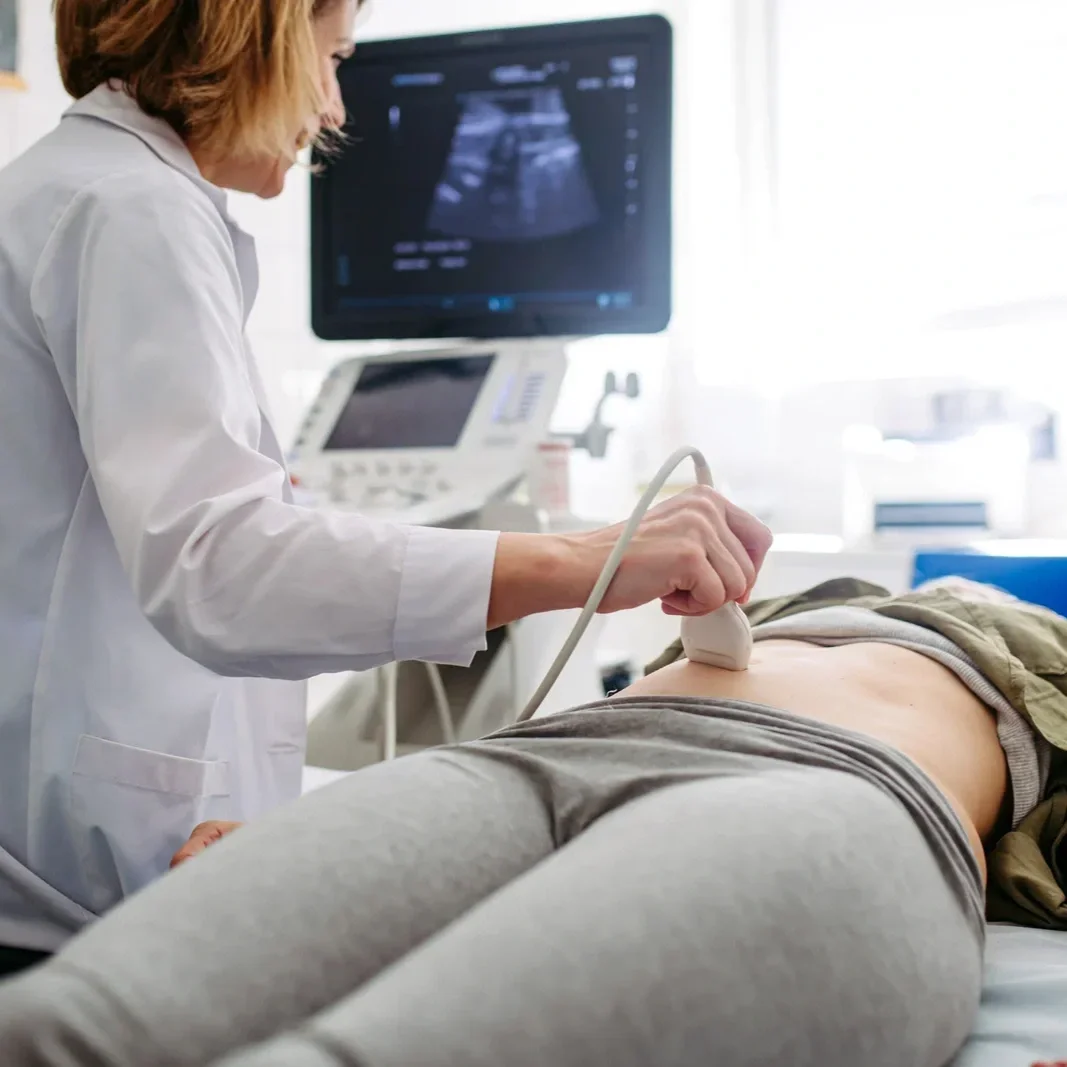
Abdominal aorta evaluations are conducted using ultrasound technology, which offers a noninvasive, painless, and quick method for assessing the health of the abdominal aorta. A handheld transducer is placed on the abdomen, emitting high-frequency sound waves that create detailed images of the aorta and any abnormalities.
The procedure typically takes no longer than 30 minutes and requires no special preparation. Patients remain fully clothed, with only a small abdomen area exposed for imaging. After the evaluation, normal activities can be resumed immediately, making it an easy addition to routine health screenings.
Early Detection Saves Lives
The primary benefit of abdominal aorta evaluations is the ability to detect aneurysms early, often before they cause symptoms or pose a risk of rupture. Identifying an AAA in its early stages allows healthcare providers to monitor its growth and recommend lifestyle changes, medications, or surgical interventions as needed.
For small aneurysms, regular monitoring through follow-up ultrasounds can track changes over time. In cases where aneurysms are more significant or growing rapidly, surgical options such as endovascular aneurysm repair (EVAR) or open surgery may be recommended to prevent rupture. Early detection through routine evaluations significantly reduces the likelihood of catastrophic outcomes.
Monitoring High-Risk Individuals
For individuals at higher risk of developing abdominal aortic aneurysms, regular evaluations are essential for ongoing monitoring and preventive care. Smokers, individuals with high blood pressure, and those with a family history of AAAs should consider routine screenings to stay ahead of potential health issues.
Diagnostic mobile ultrasound services make accessing regular evaluations easier for high-risk individuals without hospital visits. Mobile imaging brings advanced diagnostic tools directly to patients at home, healthcare facilities, or community clinics, enhancing convenience and compliance with recommended screenings.
The Role of Mobile Imaging Services
The growth of diagnostic mobile ultrasound services has transformed access to abdominal aorta evaluations. Mobile imaging companies provide state-of-the-art ultrasound technology and skilled technicians directly to patients, eliminating the need for long waits, travel, and hospital visits.
This level of accessibility is particularly beneficial for individuals with mobility challenges, chronic illnesses, or those living in rural areas. Mobile imaging services allow patients to receive high-quality diagnostic care in familiar, comfortable settings, improving the likelihood of regular screenings and early detection.
Safe and Radiation-Free Imaging
Abdominal aorta evaluations using ultrasound technology are entirely free from ionizing radiation, making them a safe option for frequent monitoring and preventive care. Unlike CT scans or X-rays, ultrasounds pose no long-term health risks, allowing for repeated evaluations without concern.
The safe and non-invasive nature of ultrasounds makes them suitable for many patients, including older adults, those with chronic health conditions, and individuals seeking preventive care. This adaptability ensures that more people can benefit from regular screenings without the risks associated with other imaging techniques.
Real-Time Imaging for Immediate Diagnosis
Another advantage of abdominal aorta evaluations is the ability to provide real-time imaging. As the transducer moves across the abdomen, images of the aorta appear instantly on the monitor, allowing healthcare providers to assess the artery's size, shape, and structure immediately.
This immediate feedback is particularly valuable when quick decisions are needed, such as identifying a rapidly growing aneurysm or evaluating a patient with symptoms suggestive of an impending rupture. The ability to diagnose and act swiftly can be life-saving in critical situations.
Cost-Effective Aneurysm Detection
Compared to other vascular imaging techniques, abdominal aorta evaluations are cost-effective for detecting aneurysms. They require less expensive equipment, do not involve radiation, and typically have lower associated healthcare costs. This affordability makes evaluations accessible to a broader range of patients and healthcare providers, promoting early detection and preventive care.
For healthcare systems, the cost-effectiveness of abdominal aorta evaluations supports more frequent monitoring and comprehensive vascular assessments without placing a financial burden on patients or facilities.
Final Thoughts on Abdominal Aorta Evaluations
Abdominal aorta evaluations are vital tools for detecting aneurysms before they become life-threatening. Their noninvasive, painless nature, combined with real-time, radiation-free imaging, makes them an essential part of modern preventive healthcare.
The convenience of diagnostic mobile ultrasound services has led to further accessibility to abdominal aorta evaluations, allowing patients to receive high-quality vascular imaging in their homes or local healthcare facilities. By enabling early detection and regular monitoring, these evaluations contribute to improved quality of life for patients, better vascular health, and reduced aneurysm risk.
Save time and get a quick and accurate diagnosis with on-site ultrasound solutions from Cardiovascular Specialty Imaging. Serving Northwest Florida, we offer thyroid ultrasound, gallbladder ultrasound, cerebrovascular evaluations, abdominal aorta evaluations (AAA), Ankle/Brachial Indices (ABI), and soft tissue services. We ensure better patient communication and provide the latest available technology. Call today to book a service appointment.