
Brainwave Blueprint: Cerebrovascular Evaluations That Elevate Care
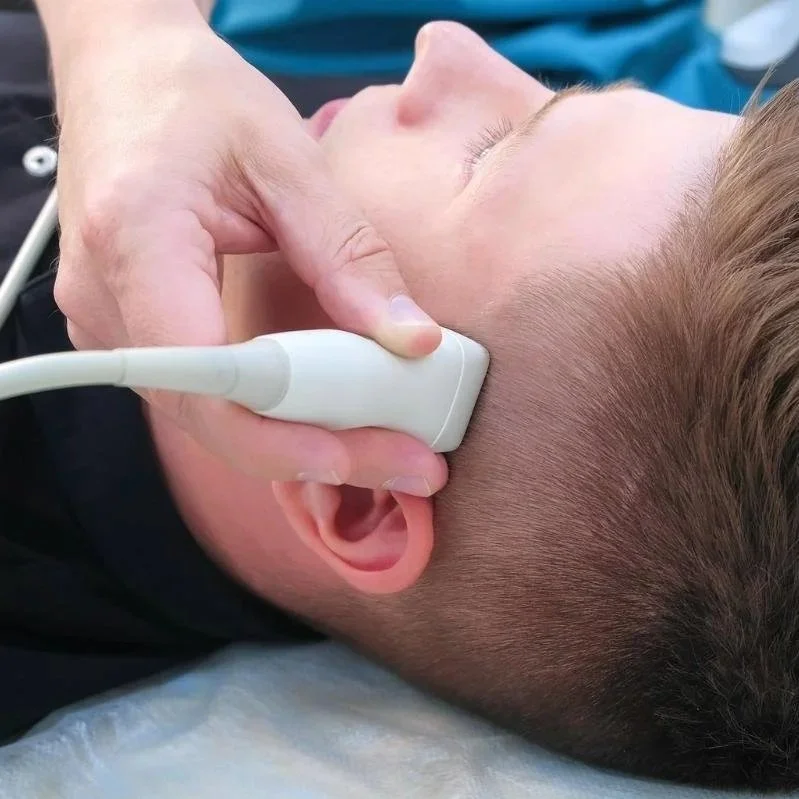
Cerebrovascular evaluations have become a key part of community health by revealing the brain's quiet signals long before they become loud emergencies.
Cerebrovascular health shapes the way people think, move, solve problems, and interact with the world. When blood flow to the brain is disrupted, the effects can appear suddenly or build gradually over time. A moment of dizziness during a morning walk, a sudden headache that feels out of character, or a strange tingling sensation can spark concern long before answers appear. Cerebrovascular evaluations give clarity during those uncertain moments. Through detailed imaging and precise assessments, clinicians gain insight into how blood moves through the brain and what changes might be developing behind the scenes. Patients receive guidance that supports quicker decisions, stronger prevention, and greater peace of mind. Cerebrovascular evaluations have become a key part of community health by revealing the brain's quiet signals long before they become loud emergencies.
The Purpose Behind Cerebrovascular Imaging
Cerebrovascular evaluations focus on the arteries that supply oxygen-rich blood to the brain. When these pathways narrow or become irregular, brain cells receive less oxygen, increasing the risk of stroke and other neurological conditions. Imaging professionals use advanced ultrasound techniques to monitor these vessels in real time. The test's noninvasive nature provides patients with comfort while allowing clinicians to obtain detailed images that map blood flow through critical arteries.
Understanding these pathways helps explain symptoms that may otherwise appear random or unrelated. Sudden confusion, vision changes, or headaches can result from subtle changes in blood flow. A cerebrovascular evaluation clearly highlights these changes, helping clinicians determine whether a patient is at risk and how best to respond. Local access to high-quality neurological imaging plays an important role in early detection and helps communities stay proactive about long-term brain health.
Why Noninvasive Evaluations Support Patient Confidence
Many patients approach cerebrovascular testing with a sense of nervous curiosity, especially when unfamiliar symptoms raise concern. The test feels far gentler than most expect. Warm gel helps the transducer glide comfortably across the neck as the imaging team captures views of major arteries supplying the brain. Patients usually lie comfortably while the sonographer moves steadily across specific areas to gather clear, accurate images.
The noninvasive nature of cerebrovascular evaluations allows people of all ages to participate without risk or recovery time. Individuals who feel anxious about medical testing often relax once they experience the calm pacing of the procedure. Local imaging teams prioritize patient comfort through friendly communication, steady guidance, and a welcoming environment. That supportive approach encourages people to seek evaluation sooner and follow up confidently when monitoring becomes a regular part of their care.
How Blood Flow Patterns Reveal Critical Clues
Blood flow to the brain offers valuable insight into neurological wellness. Cerebrovascular evaluations use Doppler ultrasound to measure the speed and direction of blood flow through major vessels. Changes in pressure, narrowing of pathways, or irregular flow patterns are clearly visible on the screen. Those findings help clinicians connect the dots between a patient's symptoms and the underlying cause.
When blood moves too slowly or becomes obstructed, brain tissue receives less oxygen. Patients may experience warning signs such as sudden dizziness, blurred vision, or difficulty focusing. Early detection through imaging allows clinicians to respond quickly with guidance that protects long-term brain function. Communities benefit from early evaluations because they reduce the risk of severe complications and support more effective treatment strategies.
Why Carotid Artery Health Deserves Special Attention
Carotid arteries serve as major highways that deliver blood to the brain. When plaque builds along their walls or they narrow due to chronic conditions, the risk of stroke increases. Cerebrovascular evaluations produce detailed images of these arteries in real time. Patients often find comfort in seeing the health of their carotid arteries rather than relying on guesswork or vague descriptions.
Identifying carotid issues early allows clinicians to recommend lifestyle changes, monitoring routines, or medical treatment that reduce long-term risk. Local imaging centers capture accurate measurements and clear visual data that help guide personalized care. These evaluations create an essential foundation for stroke prevention, giving patients a clear view of their vascular health before problems escalate.
How Evaluations Detect Early Warning Signs
Cerebrovascular evaluations often uncover early patterns that patients may not recognize on their own. Subtle changes in blood flow or small blockages can appear long before symptoms become serious. When clinicians identify those patterns, they can intervene with guidance tailored to each patient's unique needs. Early intervention reduces the likelihood of sudden neurological events and enhances overall wellness.
Patients who receive early warnings often feel more empowered to take control of their health. Seeing the results with their own eyes helps them understand why certain lifestyle changes, medications, or monitoring routines matter. Local imaging providers help make these early insights accessible by offering flexible scheduling and personalized support that encourages people to stay proactive.
The Role Of Evaluations In Supporting Chronic Conditions
Chronic conditions such as diabetes, hypertension, and high cholesterol can slowly impact the arteries supplying the brain. Cerebrovascular evaluations help clinicians monitor the effects of these conditions over time. Changes in vessel thickness, flow velocity, or overall circulation patterns are clearly evident on ultrasound imaging.
Routine evaluations also help clinicians assess the success of current treatment plans. When patients make progress through medication adjustments or lifestyle improvements, imaging often reflects those positive changes. Seeing improvement encourages patients to continue those healthy habits. Local imaging centers make follow-up care easier by providing supportive environments that keep patients committed to long-term monitoring.
Why Local Access Strengthens Neurological Wellness
Local cerebrovascular imaging supports the community by making neurological evaluations accessible without extensive travel or long wait times. When residents experience concerning symptoms, they can schedule an appointment quickly and receive answers without delay. That proximity reduces stress and encourages early evaluation, both of which play a vital role in stroke prevention.
Local imaging teams also work closely with nearby clinicians and specialists, creating a seamless flow of communication. Reports, images, and follow-up suggestions arrive quickly, supporting strong continuity of care. Communities thrive when advanced imaging services remain close to home, helping patients stay on track with follow-ups and providing clinicians with reliable information for decision-making.
How Early Imaging Reduces Stroke Risk
Stroke often occurs when blood flow to the brain becomes severely restricted. Cerebrovascular evaluations play an essential role in identifying those risks before they escalate. When clinicians detect narrowing, plaque buildup, or other vascular changes early, they can guide patients toward preventive steps that reduce long-term risk.
Early detection supports lifestyle guidance, medication management, and additional diagnostic testing if necessary. Patients gain a stronger sense of control over their wellness when they understand how their vascular system functions. Local imaging makes early detection a realistic option rather than a distant specialty service, helping communities protect long-term neurological health.
What Evaluations Reveal During Sudden Symptoms
Unexpected neurological symptoms create anxiety for patients and families. A cerebrovascular evaluation provides clarity during these uncertain moments. When someone experiences sudden confusion, weakness on one side of the body, or unusual visual disturbances, imaging can reveal whether restricted blood flow contributes to the episode.
These evaluations help rule out certain conditions while identifying others that require fast intervention. Local imaging centers support these critical decisions by delivering accurate, timely results. When clarity arrives quickly, clinicians can act with confidence, and patients can move forward with a clearer understanding of what happened.
The Value Of Professional Skill And Technique
Cerebrovascular evaluations require skill and careful technique to produce accurate results. Sonographers must capture precise angles, measure flow velocity, and identify subtle irregularities. Their experience is essential for interpreting complex arterial structures and delivering images that clinicians can trust.
Local imaging teams invest in continuing education and modern equipment to maintain high standards. Patients benefit from consistent quality that strengthens their care plans and gives clinicians confidence in each evaluation. Communities rely on that level of expertise to support long-term neurological health.
How Patient Comfort Improves Diagnostic Accuracy
Patient relaxation contributes to a successful evaluation. A calm environment helps the sonographer capture steady, clear images without interference from tension or movement. Imaging professionals help create that comfort by speaking calmly, explaining each step, and keeping the environment welcoming.
When patients feel relaxed, the experience becomes far easier and more enjoyable. Positive encounters also encourage patients to return for follow-up studies when needed, strengthening overall wellness. Local imaging providers focus on creating those positive experiences to keep neurological care accessible, comfortable, and effective.
Why Routine Evaluations Support Community Health
Routine cerebrovascular evaluations help communities stay ahead of potential neurological concerns. Early identification of vascular changes, clear imaging, and timely communication support stronger preventive care and reduce long-term risk. Patients gain valuable insight into their brain health and feel empowered to make informed choices.
Cerebrovascular evaluations contribute to long-term community wellness by reducing emergencies, improving treatment outcomes, and supporting proactive care. When people have access to reliable imaging that captures the brain's quiet signals, communities thrive with healthier, more informed residents.
Act Now: Essential Answers About Cerebrovascular Evaluations
What symptoms often lead to a cerebrovascular evaluation?
Common symptoms include dizziness, sudden headaches, blurred vision, weakness, or difficulty speaking.
Are cerebrovascular evaluations safe for all patients?
These evaluations use sound waves and are safe for people of all ages, including those with chronic medical conditions.
How long does a cerebrovascular ultrasound take?
Most evaluations take between 30 and 45 minutes, depending on the number of vessels assessed.
Do I need any preparation before the test?
Most patients do not need special preparation, though clinicians may offer personalized instructions based on medical history.
How often should cerebrovascular evaluations be repeated?
Frequency depends on individual risk factors and any existing vascular concerns. Clinicians guide ongoing monitoring schedules based on each patient's needs.
Save time and get a quick and accurate diagnosis with on-site ultrasound solutions from Cardiovascular Specialty Imaging. Serving Northwest Florida, we offer thyroid ultrasound, gallbladder ultrasound, cerebrovascular evaluations, abdominal aorta evaluations (AAA), Ankle/Brachial Indices (ABI), and soft tissue services. We ensure better patient communication and provide the latest available technology. Call today to book a service appointment.