
Scan and Decode: Gallbladder Ultrasound Views for Smarter Decisions
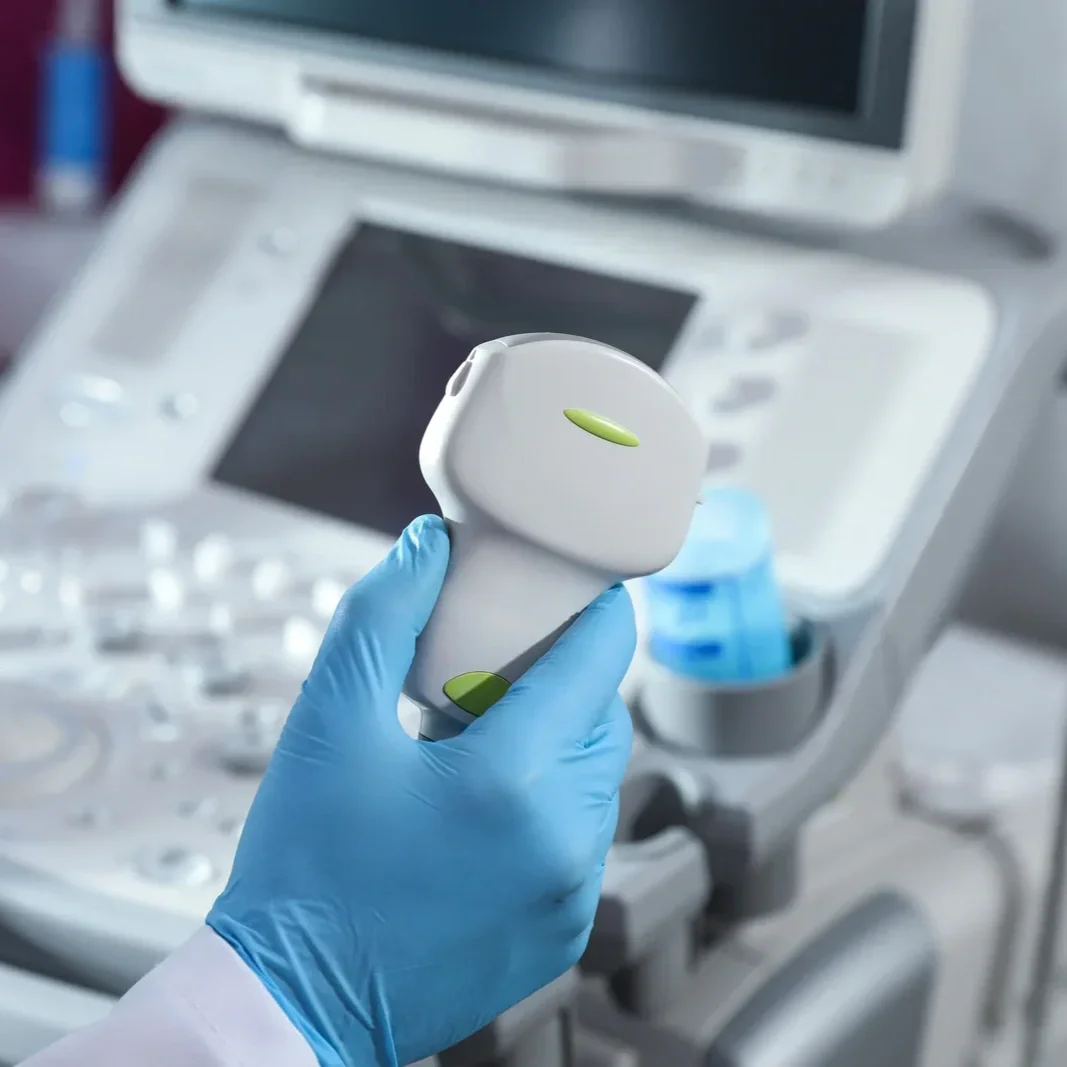
Gallbladder ultrasounds enable clinicians to confirm stones, inflammation, or structural changes, revealing the full picture.
Gallbladder issues tend to make their presence known with all the subtlety of an unexpected plot twist. A simple meal may turn into a stomach mystery, a wave of nausea may show up without warning, or a dull ache under the ribs may quietly settle in like an uninvited guest. Gallbladder ultrasounds help clinicians decode those confusing clues and guide patients toward clearer answers. People often feel relieved when they learn that a quick, noninvasive scan can reveal exactly what has been causing their discomfort. A gallbladder ultrasound provides crisp detail of an organ that influences digestion, comfort, and even broader systemic balance. Professionals rely on this imaging method because it supports accurate decision-making and early detection, protecting community wellness.
Patients often delay seeking care because digestive symptoms can be unpredictable and confusing. Pain may flare after certain meals, then disappear for days, only to return with greater intensity. Without a visual explanation, many assume their discomfort is temporary. Gallbladder ultrasounds enable clinicians to confirm stones, inflammation, or structural changes, revealing the full picture. Once patients see those details presented clearly, they are better prepared to take active steps toward treatment. Strong imaging serves as the foundation for smarter decisions and healthier outcomes across local communities.
Understanding How Gallbladder Ultrasound Works
Gallbladder ultrasound uses gentle sound waves to create detailed images of the gallbladder, bile ducts, and surrounding tissue. A trained sonographer applies warm gel to the upper abdomen and glides a handheld transducer across the area. The device sends sound waves that bounce back toward the scanner, producing images in real time. Patients remain comfortable throughout the process because the exam involves no injections, contrast agents, or discomfort.
The accuracy of gallbladder ultrasound makes it a trusted diagnostic tool in clinics across the country. Clinicians value how quickly it captures valuable information and how easily it fits into busy schedules. The images highlight stones, thickened walls, inflammation, or fluid buildup that might explain sudden digestive changes. Because the gallbladder plays a major role in processing dietary fats, understanding its structure and movement helps guide meaningful treatment decisions.
Why Gallbladder Health Affects More Than Digestion
The gallbladder may be small, but it has a big influence on daily comfort. When the organ becomes irritated or blocked, digestion turns unpredictable. Without proper bile flow, meals feel heavier, bloating becomes more frequent, and energy levels may shift. Gallbladder ultrasounds help clinicians identify the reason behind those changes, whether it is stones, inflammation, or sluggish function. Patients often feel vulnerable when their symptoms do not make sense, and visual confirmation eases anxiety by replacing guesswork with clarity.
Gallbladder problems can even influence overall health in ways people do not expect. Irritation within the biliary system can trigger systemic inflammation, which may affect heart comfort and metabolic patterns. When clinicians use gallbladder ultrasounds to track these connections, they gain a more complete view of a patient's wellness. Early detection supports broader stability, which makes this scan a valuable tool beyond routine digestive care.
Clues That Suggest A Gallbladder Checkup
Digestive discomfort often disguises itself as simple stomach upset. Many people overlook symptoms that appear small at first. A gallbladder ultrasound provides valuable insight when patients describe discomfort after eating, sharp pains under the ribs, or nausea without a clear cause. These symptoms often feel vague, leading many people to assume they can ride them out. Professionals encourage early imaging because gallbladder problems rarely improve on their own.
Some signs appear more subtly, such as bloating that does not match meal size or a sense of fullness that lingers long after eating. When those patterns repeat, a gallbladder ultrasound becomes an important step toward understanding what is happening internally. Patients appreciate how quickly the exam reveals complete details, making it easier to decide on next steps with confidence.
Why Early Evaluation Matters
Gallbladder concerns that go unchecked may escalate into serious conditions. Stones may shift and block bile ducts, inflammation may intensify, and infections may develop when problems remain hidden. Gallbladder ultrasounds enable early intervention by detecting issues before they become complications. Fast evaluation also helps patients avoid emergency care, which can disrupt work, family life, and long-term health.
A proactive approach to gallbladder Imaging strengthens overall wellness within the community. When residents have access to local ultrasound services, they receive quicker answers, smoother care, and peace of mind. Early evaluation supports digestive health and reduces strain on other systems that compensate when the gallbladder does not function properly.
Creating A Comfortable Imaging Experience
A gallbladder ultrasound may sound technical, but the experience feels simple and comfortable from start to finish. Skilled imaging teams guide patients through each step with clear communication and a calm, friendly approach. Many people walk into their appointment feeling anxious, yet leave surprised by how gentle the exam feels. Maintaining a relaxed atmosphere allows patients to breathe steadily, thereby improving image quality.
Patients also appreciate professionals who take time to explain what the ultrasound is evaluating. When clinicians share what they are looking for and how the gallbladder should appear, patients feel more informed and empowered. That understanding reduces stress and strengthens trust between imaging teams and the community.
Supporting Digestive Stability Through Accurate Imaging
Gallbladder imaging often brings a sense of relief to people who have been struggling with unpredictable symptoms. Once clinicians pinpoint the reason behind the discomfort, patients can regain control of their daily routines. Accurate ultrasound findings guide treatment options, dietary adjustments, and follow-up care. When stones or inflammation are identified, clinicians have the clarity needed to create a personalized plan.
People often describe a dramatic improvement in comfort once gallbladder concerns are addressed. Less bloating, fewer digestive episodes, and more predictable meal reactions help restore balance. Accurate imaging not only guides next steps but also restores confidence for patients who have been dealing with uncertainty for far too long.
How Gallbladder Imaging Supports Broader Wellness
Digestive health ties directly to other systems in the body. When the gallbladder is irritated, the body's inflammatory response may increase. Inflammation can influence cholesterol stability, heart health, and metabolic efficiency. Gallbladder ultrasounds give clinicians an early signal that something may need attention. Patients often feel surprised to learn that their digestive symptoms may be connected to cardiac patterns or systemic fatigue.
Once ultrasound results confirm the cause, clinicians can address digestive concerns before they affect other areas of health. Community wellness grows stronger when people understand how different systems interact. A healthier gallbladder supports smoother digestion and contributes to more stable cardiovascular patterns.
Guiding Treatment Through Clear Results
Ultrasound results shape a patient's care plan by revealing the gallbladder's true condition. If the scan shows stones, inflammation, or abnormal movement patterns, clinicians can move directly into meaningful treatment options. Patients who have been dealing with persistent pain appreciate knowing what steps come next.
Sometimes the scan reveals a healthy gallbladder, and that clarity is just as valuable. It points clinicians toward other possible causes and prevents unnecessary treatments. Clear imaging minimizes confusion and creates a smoother path toward wellness.
Ongoing Monitoring For Chronic Conditions
Patients living with chronic conditions such as high cholesterol, diabetes, or metabolic disorders may face a higher risk of gallbladder issues. Regular gallbladder ultrasounds help clinicians track changes over time. Chronic inflammation or irregular bile patterns can influence other aspects of health, making monitoring an essential part of long-term care.
Patients appreciate knowing that any changes will be caught early. Routine ultrasound appointments help them maintain consistent digestive function and reduce the likelihood of sudden flare-ups. A proactive approach supports stability and adds confidence to the care process.
Local Imaging Access Builds Stronger Communities
Communities benefit when residents have access to timely gallbladder ultrasound services close to home. Convenience encourages people to schedule exams sooner rather than delay evaluation. When more people receive early imaging, health problems are addressed before they grow larger.
Local services reduce travel time and make digestive care more accessible for busy families. People feel more connected to their healthcare providers when they know support is nearby. Strong access to imaging builds healthier neighborhoods and supports long-term wellness.
How Gallbladder Imaging Clarifies Unpredictable Symptoms
Digestive problems often confuse people because symptoms rarely follow a predictable pattern. Patients may feel fine for days, then experience sudden discomfort after a simple meal. Gallbladder ultrasounds remove the guesswork by presenting a clear view of the organ in real time. Once patients see what is happening inside their body, the uncertainty that once felt overwhelming becomes manageable.
Clarity creates confidence. When patients understand the cause of their discomfort, they can make decisions that support their lifestyle, health goals, and comfort levels. Gallbladder ultrasounds provide that clarity in a fast, reliable, and noninvasive way.
Gallbladder Ultrasound: What You Need to Know Before Your Appointment
What symptoms usually lead someone to schedule a gallbladder ultrasound?
Sharp abdominal pain, nausea after meals, persistent bloating, or discomfort that spreads toward the shoulder often prompt a gallbladder ultrasound.
How long does the exam usually take?
Most gallbladder ultrasounds take fifteen to twenty minutes from start to finish.
Do I need to fast before the appointment?
Fasting helps the gallbladder fill fully, so images appear clearer. Clinicians give simple instructions before the visit.
Can gallbladder issues affect overall health?
Gallbladder inflammation or poor bile flow may influence systemic inflammation and metabolic stability.
If my scan shows stones, will I need treatment right away?
Treatment depends on the size of the stones, the severity of symptoms, and the patient’s overall health. Clinicians guide the next steps based on complete findings.
Cardiovascular Specialty Imaging helps get accurate diagnoses by providing high-quality thyroid ultrasound, gallbladder ultrasound, cerebrovascular evaluations, abdominal aorta evaluations (AAA), Ankle/Brachial Indices (ABI), and soft tissue services in Northwest Florida. We provide unparalleled customer service. Call us now!