
What an Echocardiogram Can Reveal About Heart Health
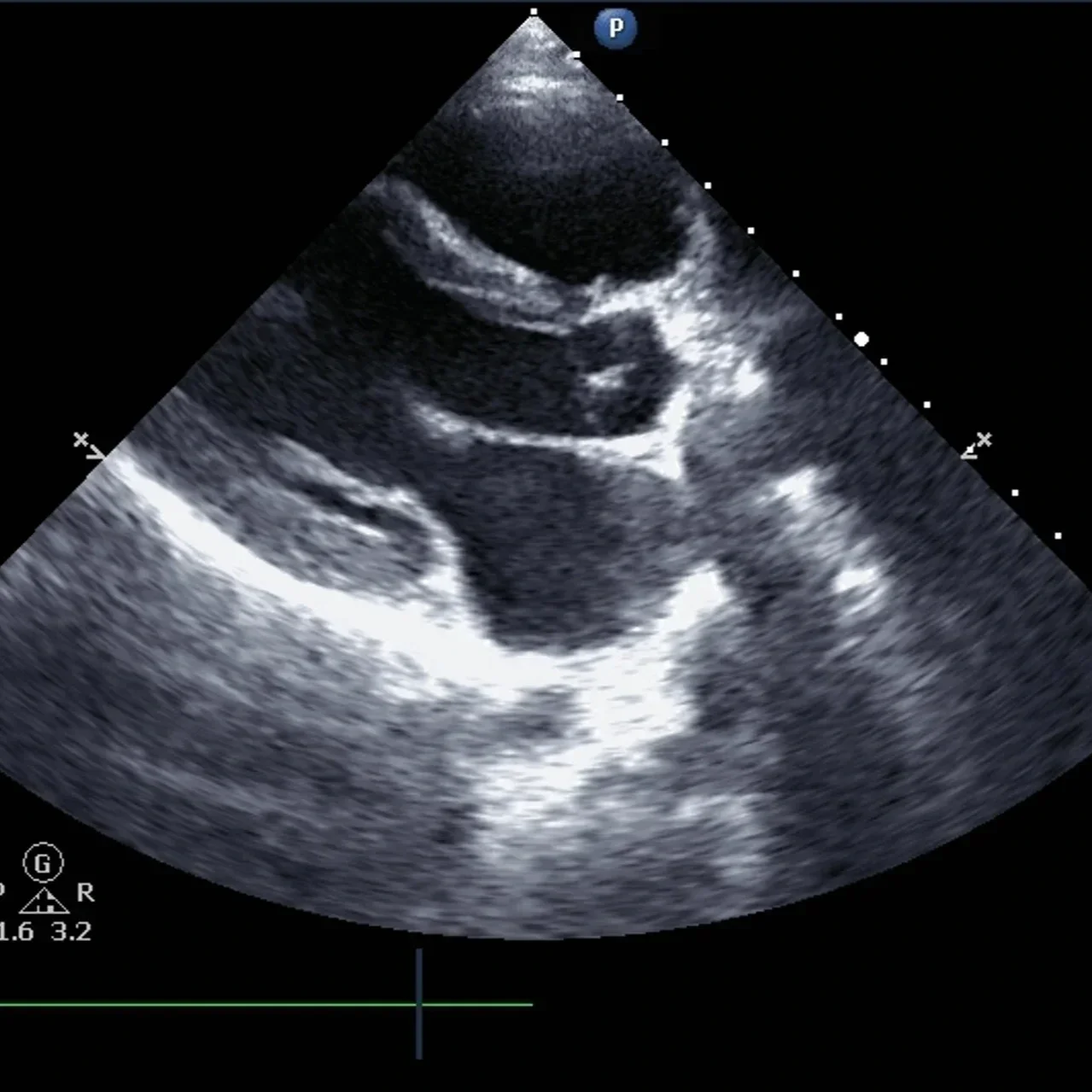
Interpreting what an echocardiogram can reveal about heart health highlights its importance in preventive care and ongoing cardiac management.
An echocardiogram is an essential diagnostic tool that delivers detailed images of the heart, allowing healthcare providers to assess heart health and detect potential issues early. Echocardiograms have become more accessible, with advancements in diagnostic mobile ultrasound services, offering patients a convenient and non-invasive way to monitor their heart’s function and structure. Interpreting what an echocardiogram can reveal about heart health highlights its importance in preventive care and ongoing cardiac management.
Understanding The Echocardiogram
Using high-frequency sound waves, an echocardiogram provides real-time images of the heart. The procedure involves placing a transducer on the chest, sending sound waves through the body. These waves reflect back from the heart’s structures and help to produce detailed images of the heart’s valves, chambers, and blood flow.
The test is noninvasive and painless, typically finished within 30 to 60 minutes. Helping healthcare providers make informed decisions about diagnosis and treatment, it delivers a comprehensive view of the heart’s function and anatomy.
Assessing Heart Function
One of the primary uses of an echocardiogram is to evaluate how well the heart is functioning. The test measures the heart’s ability to pump blood, known as the ejection fraction. A normal ejection fraction indicates that the heart effectively circulates blood, while a reduced ejection fraction may suggest heart failure or cardiomyopathy.
Echocardiograms also assess the size and shape of the heart. An enlarged heart can indicate underlying conditions such as high blood pressure or heart valve disease. By identifying these changes early, healthcare providers can recommend lifestyle modifications or treatments to prevent further complications.
Detecting Heart Valve Problems
Heart valves play a crucial role in directing blood flow through the heart. Detailed images of the heart valves are created by an echocardiogram, allowing healthcare providers to detect issues like valve stenosis (narrowing) or regurgitation (leakage). These conditions can cause disruption in the normal blood flow and lead to symptoms such as shortness of breath, fatigue, or chest pain.
Echocardiograms support treatment decisions by identifying valve problems early, whether through lifestyle changes, medication, or surgical interventions. For patients with known valve disorders, regular monitoring of valve function is essential to record the progression of disease and treatment effectiveness.
Identifying Congenital Heart Defects
Congenital heart defects, structural abnormalities present at birth, can be detected and monitored using echocardiograms. The test provides clear images of the heart’s chambers, walls, and blood vessels, making it easier to identify issues such as holes in the heart (septal defects) or abnormal connections between blood vessels.
For individuals with congenital heart defects, regular echocardiograms are essential for tracking changes over time and guiding treatment plans. Early detection allows for timely interventions that improve outcomes and quality of life.
Evaluating Blood Flow And Clot Risks
Echocardiograms are valuable for assessing blood flow through the heart and identifying conditions that may increase the risk of blood clots. The test can detect poor blood flow or pooling areas, which may lead to clot formation and increase the risk of stroke.
Sometimes, a specialized type of echocardiogram called a transesophageal echocardiogram (TEE) is used to get a closer look at the heart’s structures. This procedure involves inserting a small transducer into the esophagus, providing more explicit images of the heart’s back structures, and detecting clots that may not be visible with standard echocardiograms.
Monitoring Heart Disease Progression
Echocardiograms are crucial for monitoring disease progression and treatment effectiveness for individuals with existing heart conditions. Regular imaging allows for timely adjustments to treatment plans as it helps healthcare providers track changes in heart function, valve performance, and blood flow.
Patients with previous heart surgeries, coronary artery disease, or heart failure benefit from regular echocardiograms to identify their heart’s condition and prevent complications. The ability to monitor these conditions non-invasively supports better long-term management and improved patient outcomes.
The Convenience Of Mobile Imaging Services
Diagnostic mobile ultrasound services have made echocardiograms more accessible, bringing advanced imaging technology directly to patients. Mobile imaging companies offer the flexibility of conducting echocardiograms at home, in healthcare facilities, or in community clinics, eliminating the need for hospital visits and long wait times.
This level of convenience is particularly beneficial for individuals with mobility challenges, chronic illnesses, or those living in remote areas. Mobile imaging services provide high-quality diagnostic care in familiar, comfortable settings, improving patient compliance and overall heart health.
Safe, Radiation-Free Imaging
Echocardiograms are safe for frequent monitoring and preventive care, as they are free from ionizing radiation. Ultrasounds pose no long-term health risks, unlike X-rays or CT scans, allowing for repeated evaluations without concern.
Echocardiograms' safety profile makes them suitable for a wide range of patients, including individuals with underlying health conditions, pregnant women, and children. This adaptability ensures that everyone benefits from regular heart health assessments.
Real-Time Imaging For Immediate Results
Another benefit of echocardiograms is the ability to provide real-time imaging. As the transducer captures images, healthcare providers can assess heart function and structure immediately, allowing for quick diagnoses and timely interventions.
Real-time imaging is particularly valuable in emergencies, such as detecting heart abnormalities or evaluating chest pain. The quick turnaround for results supports faster decision-making and improved patient care.
Cost-Effective Cardiac Monitoring
Echocardiograms are a cost-effective option for monitoring heart health compared to other cardiac imaging techniques. They require less expensive equipment, do not involve radiation, and typically have lower associated healthcare costs. This affordability makes echocardiograms accessible to a broader range of patients and healthcare providers, promoting early detection and preventive care.
For healthcare systems, echocardiograms' cost-effectiveness supports more frequent monitoring and comprehensive cardiac assessments without placing a financial burden on patients or facilities.
Final Thoughts On Echocardiograms
Echocardiograms are noninvasive, powerful tools for assessing heart health and identifying potential issues early. Their ability to deliver real-time, radiation-free imaging makes them an essential part of modern healthcare, offering safe and accurate assessments for various cardiac conditions.
The accessibility of diagnostic mobile ultrasound services has further expanded access to echocardiograms, allowing patients to receive high-quality heart imaging in their homes or local healthcare facilities. Echocardiograms contribute to a higher quality of life for patients, better heart health, and improved treatment outcomes by enabling early detection and regular monitoring.
Cardiovascular Specialty Imaging offers various on-site ultrasound services and mobile Ultrasound Services to physicians, imaging centers, hospitals, and nursing facilities throughout Northwest Florida. Our services include abdominal ultrasound, renal ultrasound, arterial ultrasound, venous evaluation, and echocardiogram. Call us today.