
Pulse Pathways: Arterial Imaging That Guides Community Heart Decisions
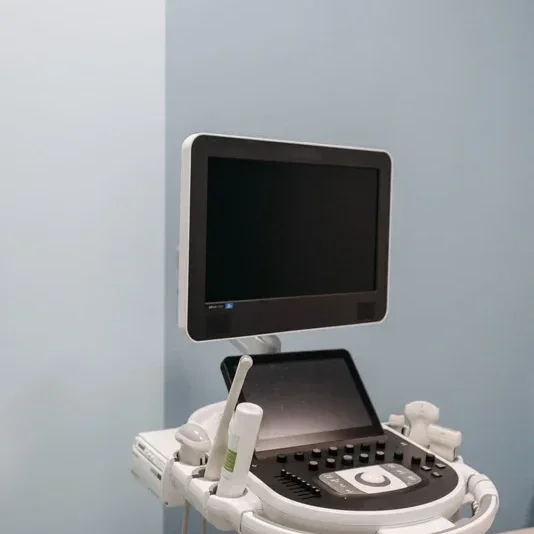
Communities across the United States depend on arterial ultrasound because it offers fast, noninvasive, and highly accurate insight into cardiovascular health, giving clinicians the information needed to make smarter, more confident decisions.
Arterial ultrasound often plays the quiet hero in community heart health, even though it usually sits behind the scenes while more dramatic diagnostic tools take the spotlight. Patients arrive with leg discomfort, unusual fatigue, cold extremities, or concerns about circulation, and arterial ultrasound steps forward with calm expertise to reveal the story beneath the surface.
Professional arterial ultrasound services help clinicians assess how well blood flows through the body, how healthy the arterial walls appear, and whether early signs of vascular disease are developing. Communities across the United States depend on arterial ultrasound because it offers fast, noninvasive, and highly accurate insight into cardiovascular health, giving clinicians the information needed to make smarter, more confident decisions.
The Everyday Role Of Arterial Imaging In Local Heart Health
Arterial ultrasound uses sound waves to create detailed images of arteries throughout the body. Real-time imagery helps clinicians evaluate circulation without radiation, injections, or discomfort. A trained professional uses a small transducer to scan the arms, legs, neck, or abdomen, revealing patterns in the arteries that support early diagnosis and long-term health strategies. Arteries provide continuous feedback on how the heart is functioning, and arterial ultrasound translates that information into meaningful clinical insights.
Patients often feel relieved after learning that the test is simple. Gel is applied, the transducer glides across the skin, and the monitor displays detailed visuals of blood flow. That gentle process creates a relaxed environment where patients feel safe discussing symptoms like numbness, cramping, or unusual heaviness during physical activity. Arterial ultrasound provides information that helps clinicians identify concerns such as plaque formation, arterial narrowing, or flow restriction that may influence cardiovascular health.
Why Arterial Ultrasound Strengthens Community Decision Making
Communities rely on efficient and accurate diagnostic tools to support public health, and arterial ultrasound meets that need with remarkable adaptability. Clinicians use arterial ultrasound to guide treatment plans, support preventive care, and confirm that blood flow remains strong throughout the arteries. Early vascular insight helps reduce emergency visits, prevent serious complications, and support better long-term heart health across the population.
Local healthcare systems benefit when arterial ultrasound becomes part of routine services. Patients receive imaging in their own community, reducing travel time and improving follow-through. When clinicians gain access to fast results, they can make informed decisions during the same appointment. That efficiency supports better outcomes and strengthens trust in local care providers.
Arterial Patterns That Influence Heart Decisions
Arterial ultrasound reveals essential patterns that guide clinical decisions. A healthy artery displays a smooth, uniform wall and steady blood flow. A compromised artery may show irregular surfaces, narrowed passages, or turbulent flow. Professionals who perform arterial ultrasound identify these changes quickly, giving clinicians the information needed to address conditions such as peripheral artery disease or carotid artery narrowing.
Leg arteries often provide early clues about vascular health. Patients may describe leg fatigue, cramping while walking, or difficulty keeping up with daily activities. An arterial ultrasound can show whether those symptoms are due to plaque buildup that restricts blood flow. Early detection helps clinicians create treatment strategies that protect the heart and improve quality of life.
Carotid artery imaging plays a vital role in stroke prevention. Arterial ultrasound shows the thickness of the artery walls, the presence of plaque, and the velocity of blood flowing toward the brain. When narrowing appears, clinicians can intervene before a more serious complication develops. The neck may not seem like the first place to look for heart clues, but arterial ultrasound shows how closely connected the entire vascular system truly is.
Real Time Insight That Improves Clinical Confidence
Arterial ultrasound provides real-time visuals that help clinicians make confident decisions. When patients describe symptoms suggesting circulation issues, ultrasound provides immediate clarity. The ability to watch blood flow on the screen helps professionals adjust the evaluation based on what they observe in the moment. That flexibility supports accurate diagnosis and effective treatment.
Doppler ultrasound adds an auditory component by recording the sound of blood as it moves through the arteries. Healthy flow produces a smooth, rhythmic sound. Restricted or turbulent flow produces harsher, irregular patterns. Professionals listen closely and analyze waveforms to determine whether the artery is functioning correctly. That combination of sound and image transforms arterial ultrasound into a dynamic and informative diagnostic tool.
Why Arterial Ultrasound Fits Seamlessly Into Community Clinics
Community clinics benefit from the simplicity and efficiency of arterial ultrasound. The test requires minimal preparation, no radiation, and no recovery time. Patients appreciate the convenience, especially when they can receive imaging in the same location where they meet with their clinician. That continuity creates a smoother care experience and strengthens the bond between patients and local providers.
Mobile arterial ultrasound services expand access even further, especially for patients who cannot travel easily. Homebound individuals, long-term care residents, and rural patients receive the same high-quality imaging without leaving their homes. Communities thrive when diagnostic tools are available to everyone, not just those with easy access to transportation.
How Professionals Deliver Precise And Comfortable Imaging
Professional arterial ultrasound services combine technical skill with a calm, friendly approach, helping patients feel at ease. Technicians prepare the room, explain the process, and position the patient comfortably. A small amount of cool gel helps the transducer glide smoothly, prompting more than a few lighthearted comments during the scan. Patients often laugh at the unexpected chill, creating an easy moment of connection.
Technicians use advanced equipment to capture detailed arterial images from multiple angles. They adjust settings, shift positions, and work around anatomical variations to obtain the best possible view. That precision gives clinicians accurate information they can rely on to guide treatment. Patients benefit from an experience that feels personal, supportive, and informative.
Why Arterial Imaging Should Never Be Attempted Without Professional Support
Arterial ultrasound may appear simple from the outside, but capturing accurate vascular images requires training, technique, and knowledge. Professionals must recognize the difference between normal anatomical variation and signs of vascular disease. A shadow in an image may be harmless or indicate plaque buildup. A turbulent waveform may indicate narrowing or may reflect an angle that needs adjustment. Only trained professionals can interpret these findings safely and accurately.
Attempting any form of imaging without proper training risks delayed diagnosis, misinterpretation, and unnecessary anxiety. Communities trust arterial ultrasound providers because they combine skill, experience, and high-quality equipment to support patient well-being.
Early Detection That Protects Community Heart Health
Arterial ultrasound plays a critical role in early detection. Conditions such as peripheral artery disease, carotid artery narrowing, and abdominal aortic aneurysms often begin quietly. Patients may not feel symptoms until circulation becomes significantly impaired. Arterial ultrasound helps clinicians identify early clues, giving them time to intervene before serious complications develop.
Communities benefit from healthier outcomes, fewer emergency procedures, and stronger preventive care when arterial ultrasound becomes part of routine evaluation. Patients benefit from early information that supports better long-term heart health.
How Arterial Ultrasound Enhances Preventive Care Strategies
Preventive care depends on identifying risks before they turn into problems. Arterial ultrasound supports preventive strategies by showing how the arteries respond to stress, lifestyle factors, and long-term health conditions. Patients with diabetes, high blood pressure, high cholesterol, or a history of smoking benefit greatly from regular arterial evaluations.
Clinicians use the findings to guide patients toward healthier habits, targeted treatment plans, and closer monitoring. Preventive arterial imaging empowers patients with knowledge that helps them take an active role in their health. Communities with strong preventive care programs often experience fewer hospitalizations and a better quality of life.
The Importance Of Local Insight In Vascular Imaging
Local imaging professionals understand the unique health challenges of their communities. Regional lifestyle patterns, environmental factors, and demographic trends influence vascular health. Some communities experience higher rates of smoking-related arterial disease. Others see more diabetes related complications. Local arterial ultrasound providers interpret images with an understanding of these trends.
Clinicians who work with local imaging professionals benefit from detailed reports that reflect community health patterns. That insight helps create more accurate diagnoses and stronger treatment plans tailored to the population's needs.
The Human Connection During Arterial Ultrasound Appointments
Patients frequently enter appointments with a mix of curiosity, anxiety, and hope. The friendly interaction between technicians and patients often becomes one of the most meaningful parts of the visit. A simple explanation of how the test works, a quick laugh about the gel's temperature, or a moment of connection during the scan can transform a nervous appointment into a positive experience.
Conversations that happen during an arterial ultrasound often reveal important information. Patients may mention leg cramps during long walks, a family history of stroke, or concerns about circulation. These insights help clinicians form a more complete picture of the patient's health. The human element of arterial ultrasound becomes just as valuable as the technical information captured during the scan.
How Arterial Ultrasound Supports Long-Term Heart Wellness
Arterial ultrasound provides a roadmap for long-term vascular health by showing how arteries change over time. Clinicians use repeat imaging to monitor plaque progression, evaluate treatment effectiveness, and guide adjustments in care plans. Patients appreciate having clear information that helps them understand how their choices influence their health.
Long-term arterial ultrasound tracking helps communities create healthier futures. Individuals stay informed. Clinicians stay proactive. Healthcare systems stay efficient. That collaboration supports lifelong cardiovascular wellness.
Long-Term Benefits Of Accessible Arterial Imaging
Accessible arterial ultrasound improves community health on multiple levels. Patients receive earlier diagnoses, more accurate evaluations, and more precise guidance. Clinicians gain reliable information to support safer, more effective treatment plans. Healthcare systems reduce emergency events and improve overall patient satisfaction.
Arterial ultrasound remains one of the most powerful tools in vascular diagnostics. Its accuracy, affordability, and noninvasive nature make it indispensable for community heart health.
Arterial Ultrasound FAQs — What You Need to Know Right Now
How long does an arterial ultrasound take?
Most arterial ultrasound exams last twenty to forty minutes, depending on which arteries are being evaluated and the complexity of the findings.
Why is arterial ultrasound important for heart and vascular health?
Arterial ultrasound shows blood flow, plaque buildup, and vessel structure, helping clinicians identify early signs of vascular disease that may affect the heart.
Can arterial ultrasound detect early peripheral artery disease?
Arterial ultrasound is one of the most effective tests for identifying peripheral artery disease because it shows narrowing, obstruction, and changes in blood flow.
Is arterial ultrasound used to prevent stroke?
Carotid artery ultrasound helps clinicians evaluate plaque and arterial narrowing that supply blood to the brain, making it an important tool in stroke prevention.
Do patients need special preparation for an arterial ultrasound appointment?
Most arterial ultrasounds require no preparation, although fasting may be recommended for abdominal vascular imaging. Clinicians provide guidance based on the type of exam.
Benefit from our various on-site ultrasound solutions from Cardiovascular Specialty Imaging, such as abdominal ultrasound, renal ultrasound, arterial ultrasound, venous evaluation, and echocardiogram throughout Northwest Florida. We tailor our services to your needs by using the best and latest ultrasound equipment. Call now to receive the highest standard of care.