
Ankle/Brachial Indices (ABI): Assessing Circulation Health in Limbs
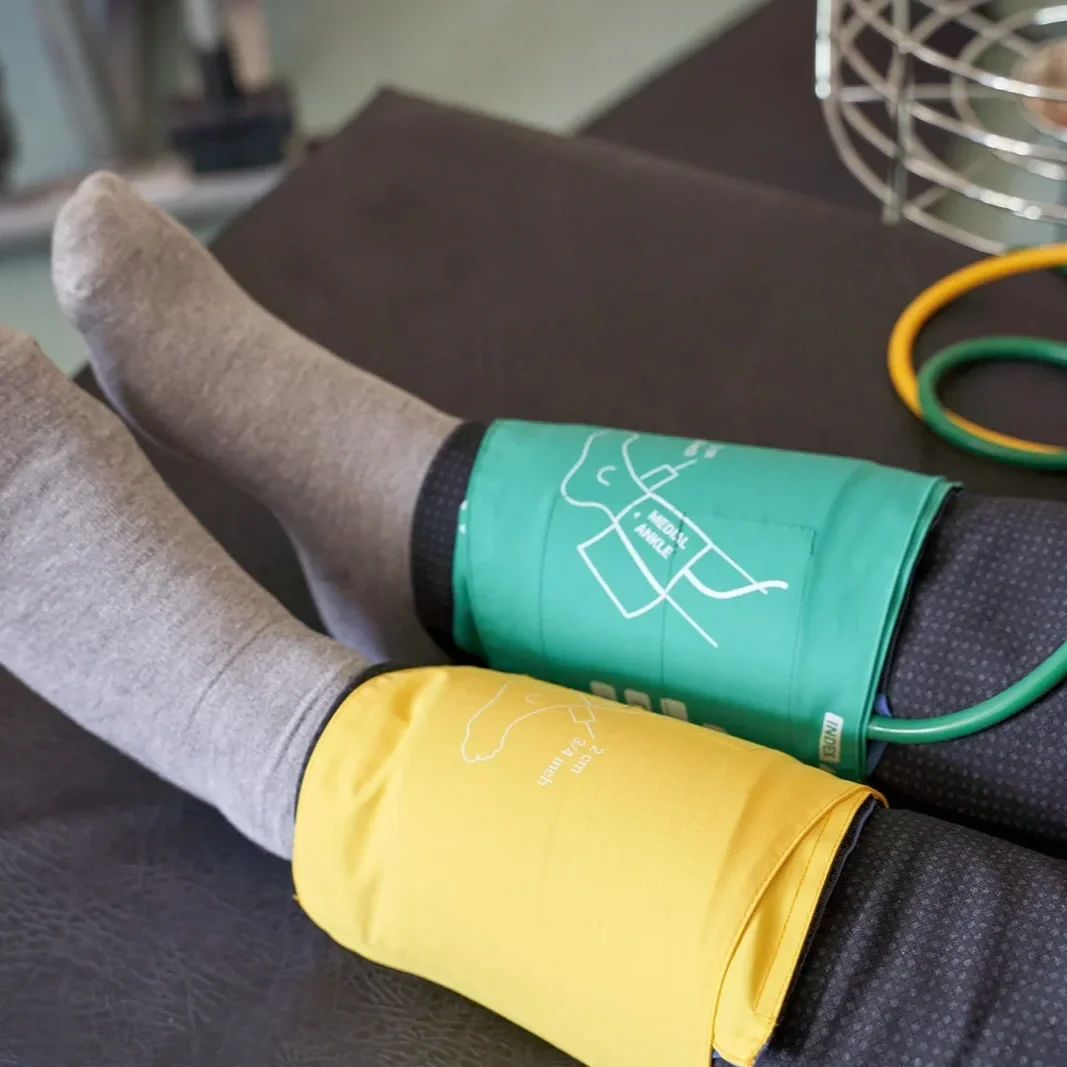
ABI tests provide crucial insights into how healthy blood flows through the arteries by comparing blood pressure measurements in the ankles and arms.
Ankle/Brachial Indices (ABI) testing is a simple yet powerful method for assessing limb circulation health. ABI tests provide crucial insights into how healthy blood flows through the arteries by comparing blood pressure measurements in the ankles and arms. With the growing availability of diagnostic mobile ultrasound services, ABI testing has become more accessible, offering a convenient and effective way to detect peripheral artery disease (PAD) and other vascular conditions.
Understanding Ankle/Brachial Indices (ABI)
ABI testing involves measuring the systolic blood pressure in the ankles and arms using a blood pressure cuff and a Doppler ultrasound device. The results are expressed as a ratio of the ankle pressure to the arm pressure. A standard ABI ratio ranges from 1.0 to 1.4, indicating adequate blood flow to the legs. A lower ratio suggests reduced blood flow, oftentimes a sign of PAD or other circulatory problems.
ABI testing is non-invasive, quick, and highly reliable, making it a valuable tool for the early detection of vascular issues. The procedure usually takes no longer than 15 minutes and can be performed in various healthcare settings, including at-home visits through mobile diagnostic services.
Detecting Peripheral Artery Disease (PAD)
One of the primary uses of ABI testing is detecting peripheral artery disease, a condition where the arteries in the legs become blocked or narrow due to plaque buildup. PAD can cause symptoms like cramping, numbness, leg pain, and fatigue, especially during physical activity. PAD can increase the risk of stroke, heart attack, and limb loss if left untreated,
ABI testing allows healthcare providers to identify PAD early, even before symptoms appear. Early detection enables timely interventions, such as medication, lifestyle changes, or procedures to improve blood flow and reduce the risk of complications.
Monitoring Vascular Health Over Time
For individuals with known vascular conditions, diabetes, or a history of smoking, regular ABI testing is essential for monitoring circulation health over time. By tracking changes in ABI ratios, healthcare providers can assess the progression of PAD and adjust treatment plans as needed.
ABI testing is also helpful in evaluating the effectiveness of interventions, such as angioplasty, stent placement, or bypass surgery. Regular monitoring helps ensure that blood flow remains adequate and that any issues are addressed promptly.
The Role Of Mobile Imaging Services
Diagnostic mobile ultrasound services have made ABI testing more accessible than ever before. Mobile imaging companies bring advanced diagnostic equipment directly to patients’ homes, healthcare facilities, or community clinics, eliminating the need for hospital visits and long wait times.
This level of convenience is particularly beneficial for individuals with mobility challenges, chronic illnesses, or those living in remote areas. Mobile imaging services provide high-quality diagnostic care in familiar, comfortable settings, improving patient compliance and overall vascular health.
Safe And Non-Invasive Testing
ABI testing is non-invasive and safe, making it suitable for many patients, including individuals with chronic health conditions, older adults, and those seeking preventive care. The procedure involves no needles, incisions, or exposure to ionizing radiation, reducing any risk of discomfort or long-term health effects.
ABI testing is simple and safe, making it ideal for routine health assessments and ongoing vascular monitoring.
Real-Time Results For Immediate Diagnosis
One significant benefit of ABI testing is the ability to provide real-time results. As the blood pressure measurements are taken, the ABI ratio is calculated immediately, allowing healthcare providers to assess circulation health on the spot.
Immediate feedback supports quicker diagnoses and timely interventions, particularly in cases where PAD or other vascular issues are suspected. Rapid identification of circulation problems helps prevent complications and improves patient outcomes.
Cost-Effective Vascular Health Assessment
Compared to other vascular imaging techniques, ABI testing is a cost-effective option for assessing limb circulation health. The procedure requires minimal equipment, is quick to perform, and typically has lower associated healthcare costs. This affordability makes ABI testing accessible to more patients and healthcare providers, promoting early detection and preventive care.
For healthcare systems, the cost-effectiveness of ABI testing supports more frequent monitoring and comprehensive vascular assessments without placing a financial burden on patients or facilities.
Final Thoughts On Ankle/Brachial Indices (ABI)
Ankle/Brachial Index testing is a simple, noninvasive, and effective tool for evaluating limb circulation health. By providing real-time, accurate insights into blood flow, ABI testing plays a crucial role in the early detection of peripheral artery disease and other vascular conditions.
The adaptability of diagnostic mobile ultrasound services has further expanded access to ABI testing, allowing patients to receive high-quality vascular assessments at homes or local healthcare facilities. By enabling early detection and regular monitoring, ABI testing contributes to a higher quality of life for patients, better vascular health, and improved treatment outcomes.
Cardiovascular Specialty Imaging helps get accurate diagnoses by providing high-quality thyroid ultrasound, gallbladder ultrasound, cerebrovascular evaluations, abdominal aorta evaluations (AAA), Ankle/Brachial Indices (ABI), and soft tissue services in Northwest Florida. We provide unparalleled customer service. Call us now!